
SAND Section: Systems Advocacy and Navigation
Navigating Systems, Advocacy, and Equity for Black Communities
I. Why ‘Black History’ Must Be Respected in the Canadian Context
A Declaration of Resistance, Unity, and Presence
Black History is not just a label; it is a Canadian-born declaration of resistance, unity, and presence. The term emerged when Black communities needed language and space to assert their existence in a country that often denied it. It carries the labor of elders, the sacrifices of movements, and the determination to be seen, heard, and respected.
II. When Policy Meets Resistance: A Reflection on Ruby Bridges
When laws change, systems still decide how far equity goes
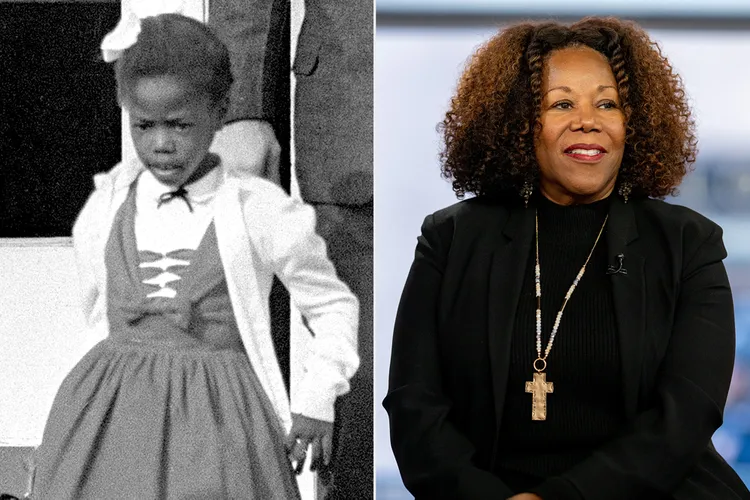
In 1960, six-year-old Ruby Bridges became the first Black child to integrate an all-white elementary school in the American South following a federal court order. Her enrollment was not merely symbolic; it was the result of legal advocacy and government enforcement intended to dismantle segregation.
III. Institutional Resistance: The 1969 Sir George Williams Protest
Exposing Systemic Anti-Black Racism in Canadian Institutions
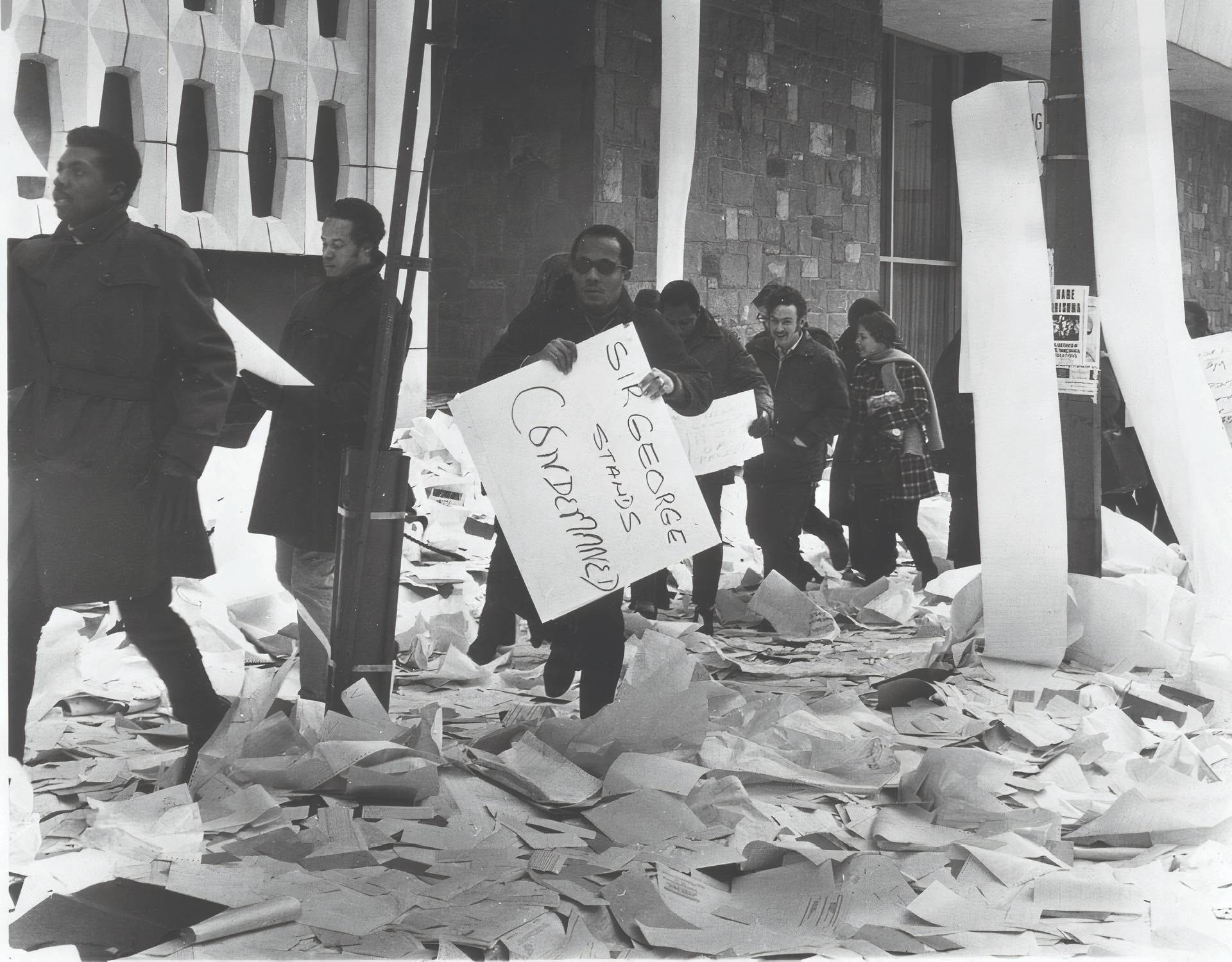
In 1969, students at Sir George Williams University (now Concordia) organized a peaceful occupation after the university dismissed complaints about racist grading practices. Over 200 students held a 13-day sit-in, which ended in a police raid and 97 arrests. It remains one of the largest Black-led student protests in Canadian history.
IV. Community Advocacy & Safety: Honoring Louis March
Founder of the Zero Gun Violence Movement (1956–2024)
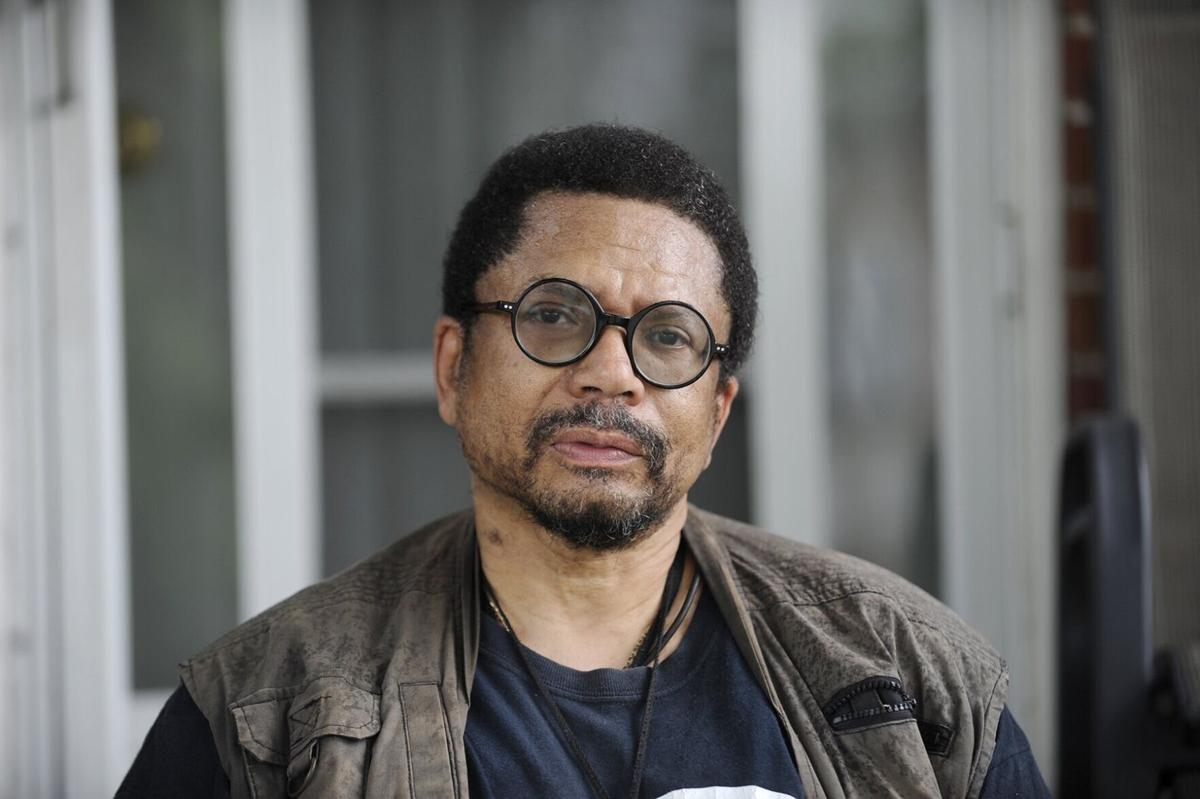
Louis March was a revered Toronto community leader who dedicated over 30 years to empowering marginalized youth and challenging systemic racism. He founded the Zero Gun Violence Movement (ZGVM) to address the root causes of violence, such as poverty and unequal resource distribution.
V. Global Resistance & Art: Fela Aníkúlápó Kútí
The Revolutionary Voice of Afrobeat (1938–1997)
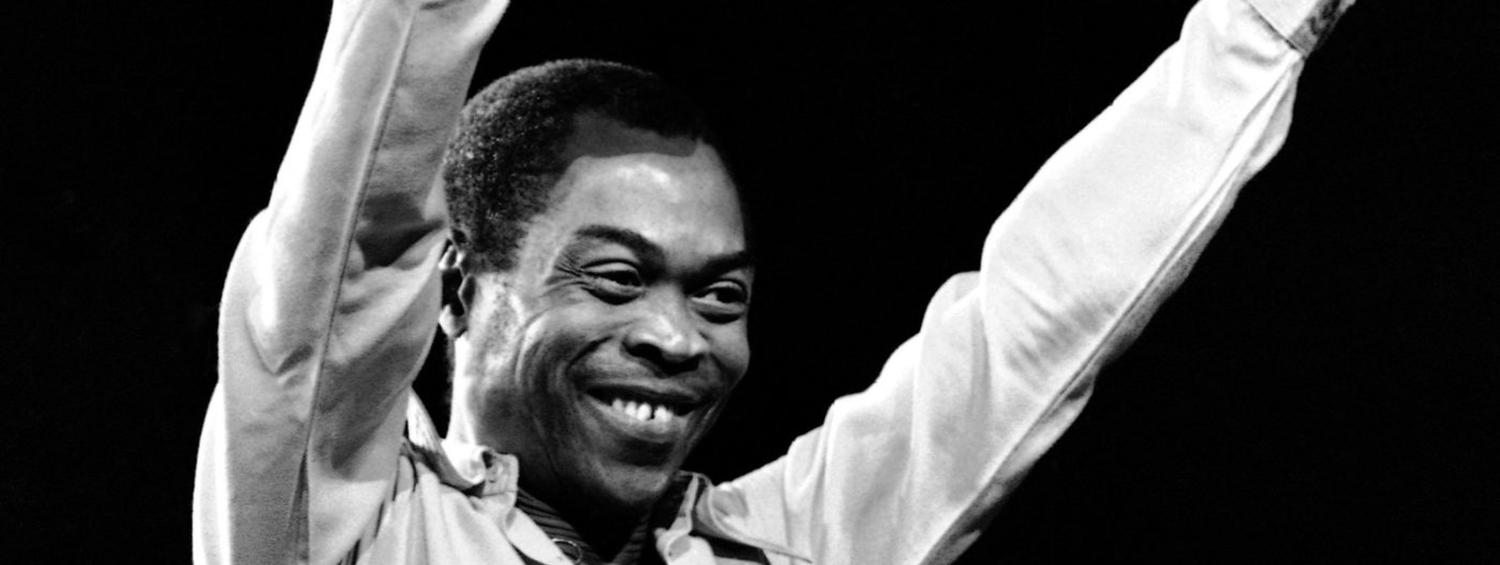
Fela Kuti was a Nigerian musician and political activist who created Afrobeat—a fusion of jazz, funk, and Yoruba rhythms—to challenge colonialism and social injustice.
“The human spirit is stronger than any government or institution.”
“With my music, I create change… I am using my music as a weapon.”
VI. Trauma-Informed Support: Lessons from Rwanda Survivors
Understanding Systemic Division and Large-Scale Violence
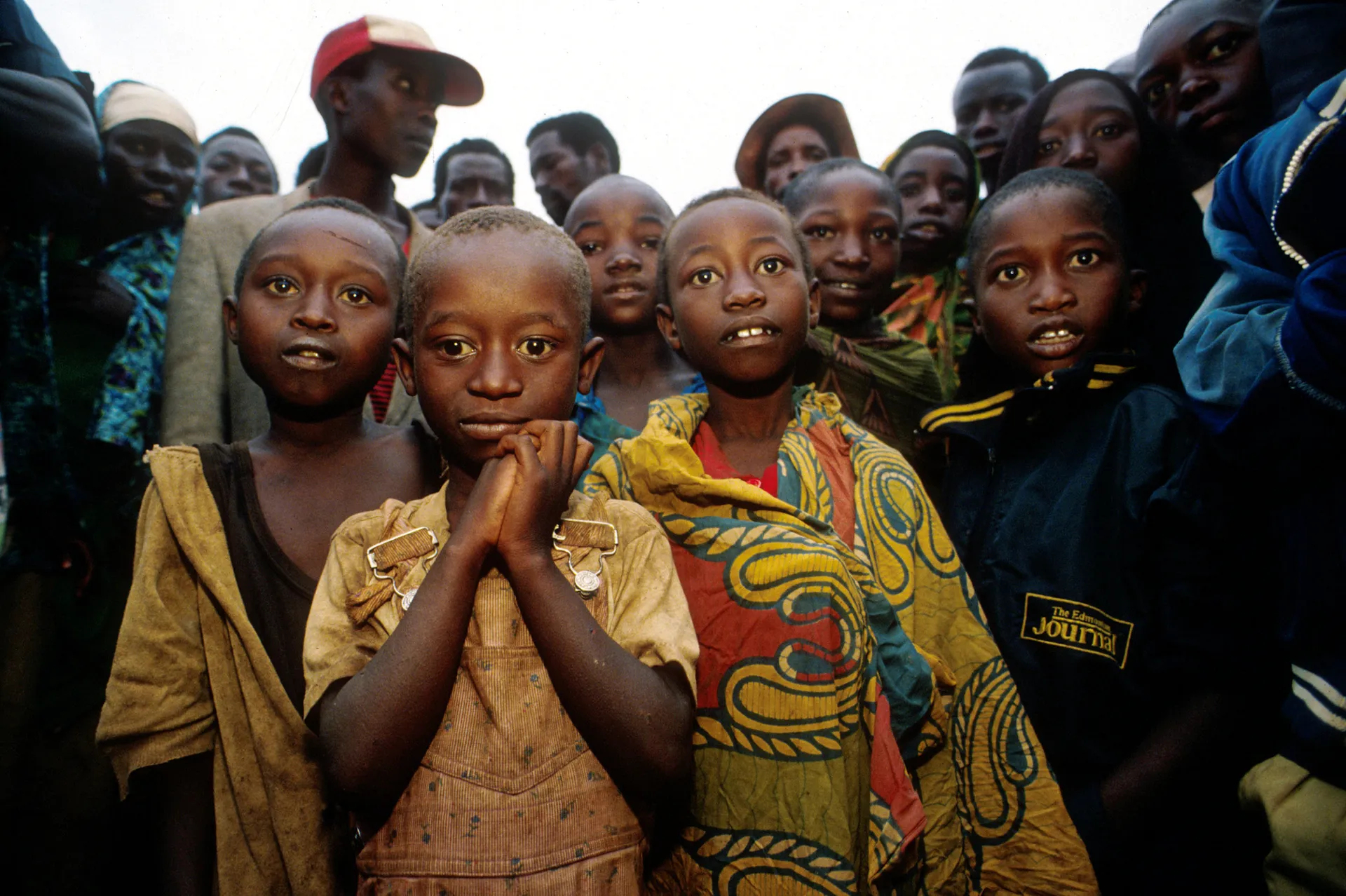
The 1994 genocide in Rwanda, where over 800,000 people were killed in 100 days, serves as a solemn reminder of how systemic division and propaganda can escalate into mass atrocities.