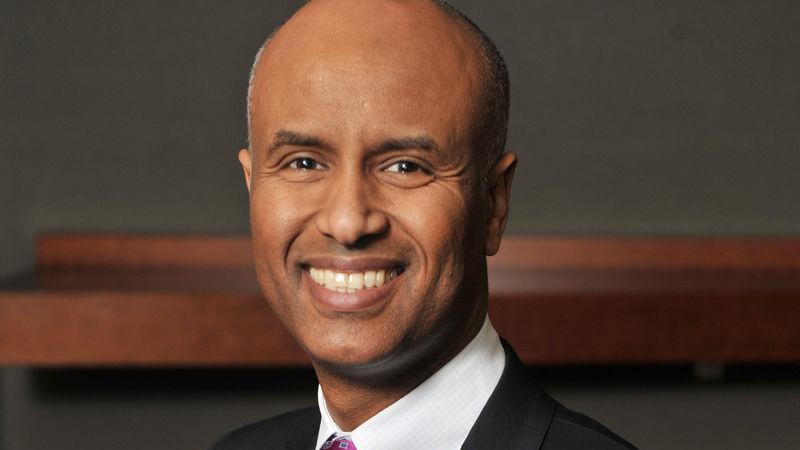
Ahmed Hussen is a Somali-Canadian lawyer, a respected community advocate, and a distinguished public leader who arrived in Canada as a refugee from Somalia. Drawing from his personal settlement experience, he devoted his professional career to supporting newcomers, advancing social inclusion, and strengthening Canada’s immigration and integration policies. He later served as Canada’s Minister of Immigration, Refugees and Citizenship, where he played a significant leadership role in shaping national settlement strategies.
“Diversity is not a challenge to overcome; it is Canada’s strength.” — Ahmed Hussen
Reflection from Delta Family Resource Centre Staff
Mr. Hussen’s journey reflects the core values and mission of the Delta Family Resource Center.
His lived experience highlights the importance of accessible, culturally responsive, and client-centered settlement services.
Newcomers bring diverse languages, cultures, and skills that strengthen communities across Canada.
By recognizing diversity as an asset, settlement professionals help create inclusive and equitable service environments.
Staff help transform diversity into opportunity, resilience, and community strength through advocacy and holistic support.
The presence of Black people in Canada dates back over 400 years, beginning with Mathieu Da Costa, a translator who arrived with French explorers around 1605.
Timeline of Resilience
1629 – 1834: More than 4,000 people of African descent were enslaved in the British and French colonies that became Canada.
1793: Upper Canada passed an Act to Limit Slavery, the first legislation in the British Empire to restrict slavery.
1834: Full abolition came with the British Slavery Abolition Act.
The Underground Railroad: An estimated 30,000 freedom seekers found sanctuary in Canada before the American Civil War.
1960s: Changes to the Immigration Act removed bias against non-white immigrants, permitting large numbers of West Indians and Africans to immigrate.
The Modern Portrait
Today, Black Canadians represent a diverse community of over 1.5 million people, accounting for 4.3% of the total population. This population has more than doubled since 1996 and is projected to become the second-largest racialized group by 2041.
Full References & Suggested Reading
Ontario Heritage Trust. (n.d.). Slavery in Canada. Retrieved from Here
Parks Canada. (2020, July 31). The Enslavement of African People in Canada (c.1629–1834). Government of Canada. Retrieved from Here
Government of Canada. (n.d.). Emancipation Day — August 1. Canadian Heritage. Retrieved from Here
Archives of Ontario. (n.d.). Gradual Abolition. Retrieved from Here
Henry, N. (2021, November 5). Slavery Abolition Act, 1833. The Canadian Encyclopedia. Historica Canada. Retrieved from Here
Canada’s History. (2011, February 1). History Spotlight: The Underground Railroad. Retrieved from Here
The Vanier Institute of the Family. (2025, February 27). A Portrait of Black Families in Canada. Retrieved from Here
Statistics Canada. (2022, October 26). The Daily — The Canadian census: A rich portrait of the country’s religious and ethnocultural diversity. Retrieved from Here
Statistics Canada. (2024, October 25). The Diversity of the Black Populations in Canada, 2021: A Sociodemographic Portrait. Retrieved from Here
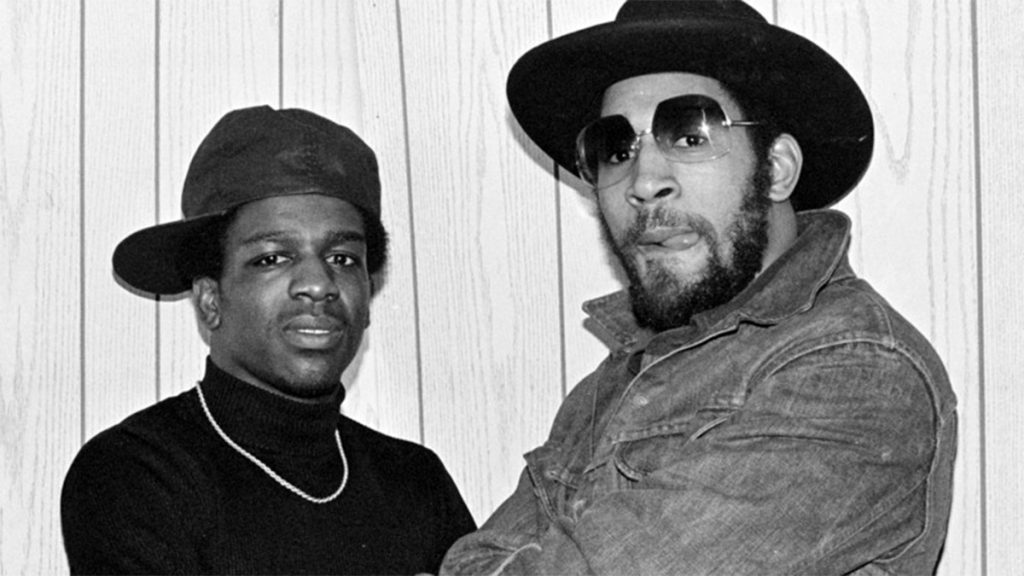
On the themes of Black migration and identity, few have been more impactful than Clive Campbell, aka DJ Kool Herc. Known as one of the grandfathers of Hip-Hop, he migrated from Kingston, Jamaica, to the Bronx as a teenager.
Migration as Method: Herc brought a Jamaican “outsider’s ear” to the Bronx, adapting and surviving in a place shaped by displacement and economic abandonment.
The Innovation: At his legendary 1973 parties, he fused Jamaican sound-system sensibilities with American funk and soul.
The “Merry-Go-Round”: He pioneered a technique of switching between two copies of the same record to extend the instrumental “break,” giving dancers space to explode.
A Migrant Heartbeat: Hip-hop’s earliest heartbeat is a migrant heartbeat—portable, adaptive, and loud enough to claim space.
Jean Augustine is an educator, community activist, and trailblazing public servant whose work continues to influence equity and inclusion nationwide.
A Historic First: She made history as the first Black woman elected to Canada’s House of Commons, representing Etobicoke-Lakeshore.
Black History Month: She introduced the motion that led to Black History Month being officially recognized by the Government of Canada.
Advocacy: Throughout her career, she was a strong advocate for education, immigrant and newcomer communities, and equitable access to opportunity.
Fairness Commissioner: She served as Canada’s first Fairness Commissioner, working to improve employment access for internationally trained professionals
For those interested in learning more about her life and contributions, please explore the resources below:
V. Intersectionality & Liberation: Marsha P. Johnson
Contributor: Shishir S
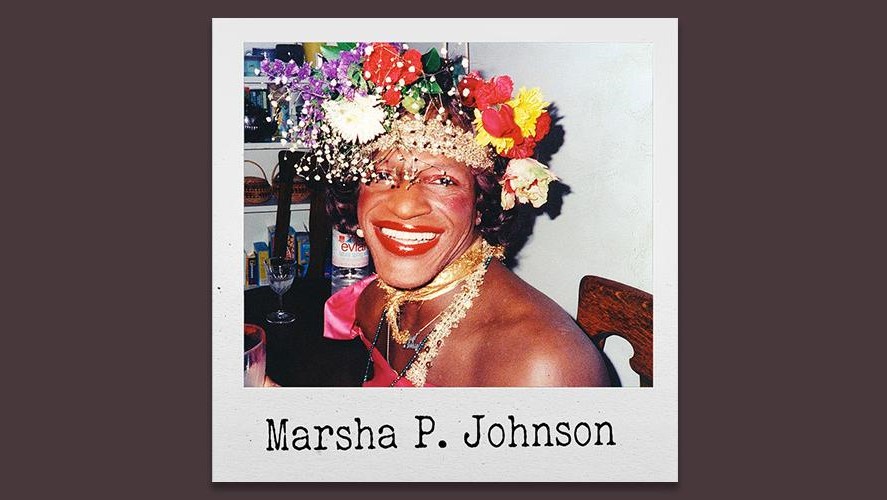
Marsha P. Johnson was a trailblazing Black activist, drag queen, and LGBTQIA+ advocate known as the “Mayor of Christopher Street”.
Stonewall Uprising: Marsha played a central role in the 1969 Stonewall uprising, a pivotal moment for LGBTQIA+ rights.
STAR: She co-founded the Street Transvestite Action Revolutionaries (STAR) to provide shelter for Black and Latino LGBTQIA+ youth facing family rejection.
Commitment to Justice: Her activism spanned from gay liberation to AIDS awareness, driven by creativity, resilience, and generosity.
Fairness Commissioner: She served as Canada’s first Fairness Commissioner, working to improve employment access for internationally trained professionals
“There is no pride for some of us without liberation for all of us.” — Marsha P. Johnson
Recommended Viewing:
Marsha P. Johnson: Transgender Activist – A short, engaging video perfect for youth or anyone new to her story, highlighting her activism, role in the Stonewall uprising, and work supporting LGBTQIA+ youth.